Independent guide to fence installation pricing for Sam's Club members
Fence installation pricing depends on materials, terrain, labor rates, and permit rules. For Sam's Club members comparing quotes, understanding these co...
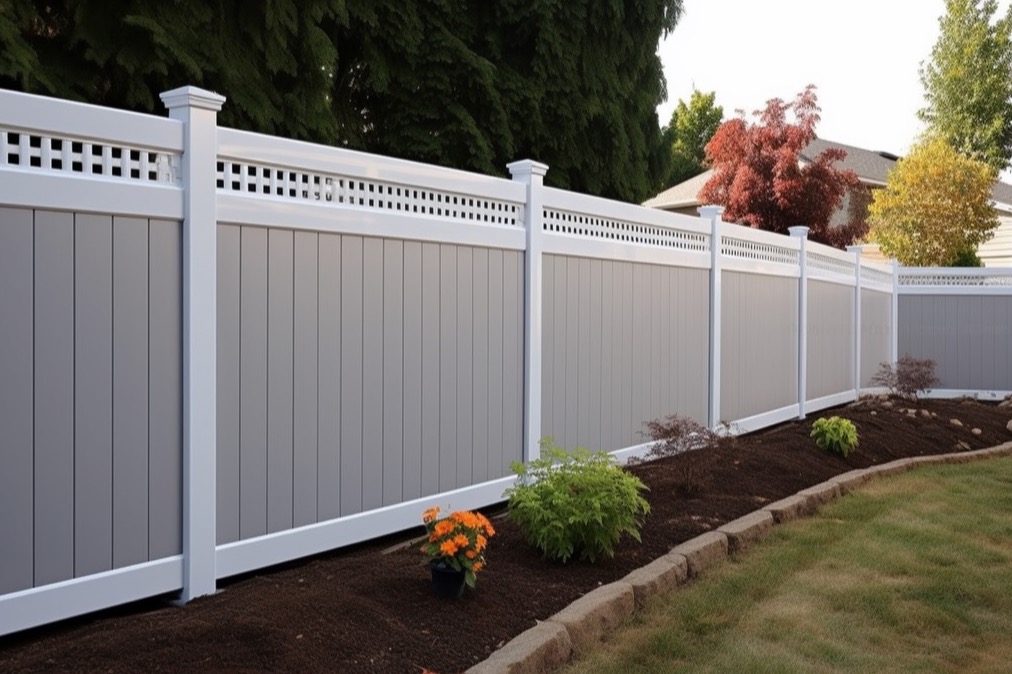
Fence installation pricing depends on materials, terrain, labor rates, and permit rules. For Sam's Club members comparing quotes, understanding these cost drivers helps separate a fair estimate from an inflated one. This independent guide covers typical price ranges, planning steps, and comparison points for residential and commercial fencing.
What affects fence installation pricing?
Fence installation pricing depends on more than linear feet. Height, material, gate count, post spacing, soil conditions, slope, and removal of an old fence all influence the estimate. Local labor rates and seasonal demand can also shift quotes. For a realistic budget, ask contractors to itemize materials, labor, permits, and disposal. A clear quote makes it easier to compare offers and avoid surprise charges later.
How do material choices change cost and budget?
Material selection is one of the largest cost factors. Wood is common for privacy, but it needs staining or sealing. Vinyl and composite offer lower maintenance but higher upfront prices. Metal fencing, including aluminum and steel, can cost more than chain-link but may suit commercial properties. Chain-link remains a lower-cost option for boundaries and pet containment. Your budget should include posts, rails, pickets, gates, hardware, and custom fabrication. Request samples and warranty details before deciding.
Why do quotes and estimates vary by contractor?
Contractors may price the same project differently based on overhead, crew size, insurance, and supplier relationships. Some quotes include permits and site cleanup; others list them as add-ons. A low estimate may use thinner materials or skip a survey. A high estimate may include premium hardware or complex terrain work. Get at least three written estimates with the same specifications. Check licenses, insurance, and local references. Ask how change orders are handled if underground utilities or property lines create delays.
Planning permits, boundaries, and privacy
Before installation, confirm property boundaries and local permit rules. Many areas require permits for fences above a certain height or for front-yard fencing. Homeowners associations may have design and material restrictions. A boundary survey can prevent disputes with neighbors. For privacy, consider fence height, board orientation, and gaps. For commercial sites, security, visibility, and access control may matter more than privacy. Planning these details early can reduce delays and unexpected costs.
Cost comparison table for common fencing materials
The table below shows typical U.S. price ranges for installed fencing. Actual prices depend on region, site conditions, material grade, and project size. Sam’s Club membership does not usually include fence installation, so members generally compare independent contractors and home improvement retailers. Use these figures as a starting point, not a final quote.
Prices, rates, or cost estimates mentioned in this article are based on the latest available information but may change over time. Independent research is advised before making financial decisions.
Residential projects often prioritize privacy, appearance, and pet safety. Commercial projects may focus on durability, security, and low maintenance. Both types need clear quotes that separate materials, labor, and permits. Residential fencing usually uses wood, vinyl, aluminum, or chain-link. Commercial fencing may use steel, ornamental metal, or reinforced chain-link. The right choice depends on traffic, security needs, local codes, and long-term maintenance capacity. A contractor experienced in your property type can flag issues before work begins.
Maintenance affects the total cost of ownership. Wood fences may need cleaning, staining, and repair every few years. Vinyl and composite typically need occasional washing. Metal fences may require touch-up paint if scratched. Chain-link is durable but can sag or rust over time. A lower installation price can become expensive if repairs are frequent. Ask contractors about warranties, expected lifespan, and replacement part availability. Factoring maintenance into your budget gives a more accurate comparison between materials.
Fence installation pricing is shaped by materials, labor, permits, site conditions, and long-term maintenance. Sam’s Club members comparing quotes can use the same planning steps as any homeowner or business owner: define the project, verify boundaries, request itemized estimates, and compare like-for-like specifications. Real providers and local contractors may offer different rates, so independent research remains important. A well-planned fence project balances upfront cost with durability, privacy, security, and upkeep.
Sunnyside Brief provides general information, not professional advice. Check official sources before making financial, legal or health decisions.