British Columbia BC Housing Registry 2026 how to apply
Finding affordable housing in British Columbia can be challenging, but the BC Housing Registry offers a pathway to subsidized rental options. Understand...
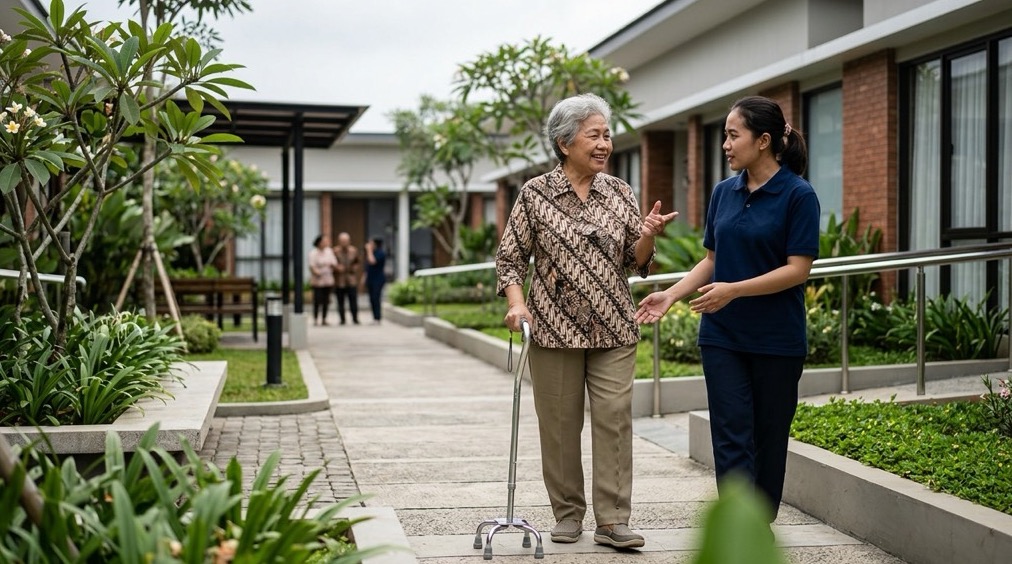
Finding affordable housing in British Columbia can be challenging, but the BC Housing Registry offers a pathway to subsidized rental options. Understanding how to apply, what documents you need, and how the waitlist works is essential for renters seeking support. This guide walks you through the 2026 application process, eligibility criteria, and the various subsidies and vouchers available to tenants in need.
Understanding the BC Housing Registry and Eligibility
The BC Housing Registry is a centralized waitlist for subsidized housing across British Columbia. It connects renters with affordable rental units managed by BC Housing, non-profit societies, and community providers. Eligibility generally depends on your income, assets, and family size. For example, households with a gross annual income below certain thresholds may qualify. You must be a Canadian citizen, permanent resident, or refugee claimant. Both tenants and renters seeking affordable options can apply. The registry prioritizes those with the greatest need, including seniors, people with disabilities, and families. In addition to the registry, there are specific programs for different groups. For instance, the Rental Assistance Program (RAP) targets working families, while the Shelter Aid for Elderly Renters (SAFER) supports seniors. Understanding these distinctions helps you choose the right path. The eligibility criteria are updated periodically, so checking the BC Housing website for 2026 guidelines is recommended.
How to Apply: Documents and Application Steps
To apply for the BC Housing Registry, you need to complete an application form. You can apply online through the BC Housing website or by mail. Required documents include proof of identity, proof of income, and proof of residency. You may also need to provide documents related to your current rental situation, such as a rent receipt or lease agreement. The application process requires you to submit these documents accurately. Support is available if you need help filling out the form. Once submitted, your application is reviewed for eligibility. If approved, you are placed on the waitlist. It is important to keep copies of all documents for your records. If your application is incomplete, it may be delayed or returned. Therefore, double-check that you have included everything before submitting.
The Waitlist and Community Provider Support
The waitlist can be long, depending on your preferences and urgency. You can indicate which communities you are willing to live in. Community providers and local services often have their own waitlists for specific buildings. It is important to keep your contact information up to date. If your income or family situation changes, you must notify BC Housing. Some providers offer support to help you navigate the system. Being flexible about location can reduce your wait time. Additionally, you can apply to multiple providers to increase your chances. However, you must inform BC Housing if you accept housing elsewhere. The waitlist is not first-come, first-served; priority is given based on need. Therefore, even if you apply later, you might be housed sooner if your circumstances are more urgent.
Subsidies, Vouchers, and Funding Benefits
BC Housing offers various subsidies and vouchers to help with rent. The Rental Assistance Program (RAP) provides monthly subsidies to working families. The Shelter Aid for Elderly Renters (SAFER) helps seniors with rent. These funding benefits are based on income and rent paid. Vouchers may be available for those in specific circumstances, such as victims of domestic violence or people with disabilities. Understanding these programs can supplement your housing assistance. You can apply for these separately from the registry. For example, RAP is available to families with at least one child and a household income below a certain limit. SAFER is for seniors aged 60 or older. Both programs require you to submit annual income verification. The subsidy amount is calculated based on your rent and income, and it is paid directly to you or your landlord.
Affordable Housing, Repairs, and Weatherization
Beyond the registry, there are programs for affordable housing, repairs, and weatherization. Homeowners with low income may qualify for grants to repair or weatherize their homes. Renters in subsidized units may also benefit from energy efficiency upgrades. These initiatives aim to improve living conditions and reduce utility costs. Community organizations often partner with BC Housing to deliver these services. If you need repairs or weatherization, inquire with your local provider. For instance, the Homeowner Repair Program offers grants for essential repairs, such as roofing or heating systems. Weatherization programs help with insulation and draft-proofing. These programs not only make homes safer but also lower energy bills. Some programs are specifically for seniors, while others are open to all low-income homeowners.
Cost and Provider Insights
When considering housing assistance, it is helpful to understand typical costs. The BC Housing Registry itself has no application fee. However, rent in subsidized units is usually set at 30% of your household income. Other programs may offer fixed subsidies. Below is a comparison of real providers and their cost estimates. These figures are based on the latest available information but may change. It is important to note that subsidy amounts and rent calculations vary by program and individual circumstances. Always verify current rates with the provider.
Prices, rates, or cost estimates mentioned in this article are based on the latest available information but may change over time. Independent research is advised before making financial decisions.
Navigating the BC Housing Registry and related assistance programs can seem complex, but understanding the steps and resources available makes the process manageable. From application to waitlist, and from subsidies to repairs, there are multiple layers of support for renters and tenants in British Columbia. Staying informed and keeping your information current with BC Housing will help you access the benefits you need. Remember that eligibility and wait times vary, so patience and persistence are key. By exploring all available options, you can find the support that best fits your situation.
Sunnyside Brief provides general information, not professional advice. Check official sources before making financial, legal or health decisions.